SteamShowerGenerators.comSized Right · Priced Right
🛒0
Live Support
(888) 555-0100
Mon-Sun: 9am-9pm EST
This one difference decides whether your steam shower feels like a luxury spa or a muggy fog box. Almost nobody explains it — so here it is.
Dry steam carries very little liquid water — around 5% moisture, a 95% "dryness fraction." It lingers in the air, is easy to breathe, and feels genuinely hot without being heavy.
Wet steam carries 20% or more unevaporated water. It falls to the floor the moment the door opens, drips from the ceiling, feels muggy like a swamp, and can spike your heart rate fast — cutting your session short.
Same temperature on the gauge. Completely different experience in the room.
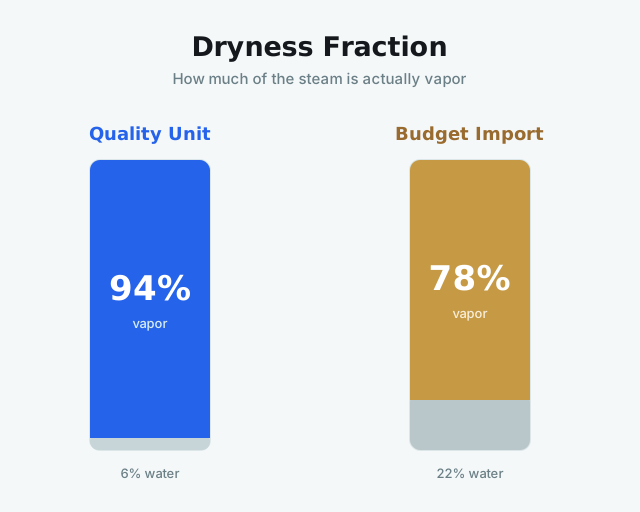
| Dry Steam (quality units) | Wet Steam (cheap units) | |
|---|---|---|
| Dryness fraction | 94%+ vapor | Often 80% or lower |
| Feel | Light, hot, breathable | Heavy, muggy, hard to breathe |
| When door opens | Steam lingers in the air | Steam drops straight to the floor |
| Ceiling dripping | Minimal | Frequent drips |
| Heart rate | Rises gently — longer sessions | Can jump 75 → 150 bpm fast |
| Session length | Relaxed, extended | Cut short by discomfort |
How a generator makes steam determines how dry it is.
Mr. Steam and ThermaSol. Produces dry steam quickly with even, continuous output. The reliable sweet spot for most homes.
Quiet at first, but pumps out wet steam and degrades fast. This is the source of "9 out of 10" broken-generator calls.
A specialty category — the driest steam made and near-silent, with slow continuous output. Costs more, but unbeatable quality for small rooms and high ceilings. Ask us if it's right for your build.
The share of the steam that's vapor vs. liquid water. 94%+ is what you want; below that, it starts to feel wet and heavy.
Wet steam dumps heat fast then condenses; dry steam releases heat gradually, holding room temperature steadier between cycles.
Dense dry steam holds more total heat energy at the same temperature — which is why dry steam feels hotter than wet steam.
Single-tank pressurized units have off-periods; dual-tank and open-tank units keep output continuous, within a few degrees of your setpoint.
Unbranded low-pressure generators are tempting on price. But roughly 9 out of 10 "my generator broke" calls involve exactly these units. They can't handle home water pressure above 60 PSI, the parts aren't interchangeable, and they aren't repairable at home.
Quality units use surgical-steel tanks and heaters that resist scaling and last 20+ years. That's all we carry — Mr. Steam, ThermaSol, Steamist, Amerec, Kohler and SteamSpa.
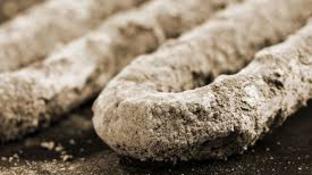
A galvanized heating element destroyed by mineral scale — the fate of most budget generators within a few years.
We only sell true dry-steam units and we'll size the right one for your room — free.
 Authorized U.S. Dealer —
  Ships U.S. & Worldwide